
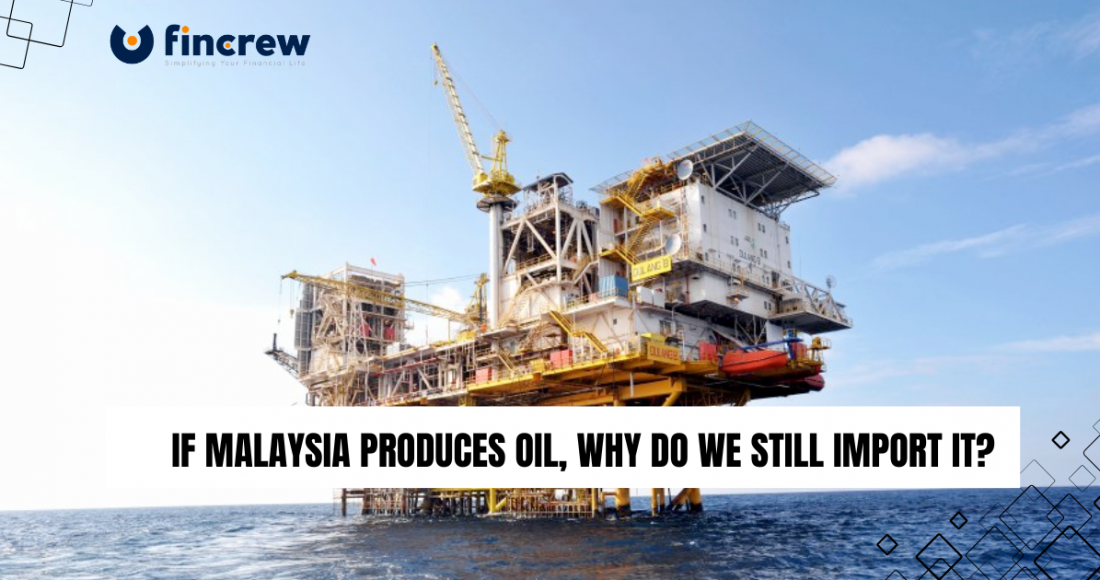

Many Malaysians are surprised when they learn that the country imports oil and gas despite being an oil-producing nation. If Malaysia produces its own petroleum, why do global oil price increases still affect our fuel prices? And why does the country continue to buy large amounts of crude oil and refined fuels from other countries?
The answer lies in how the global oil market works — and in Malaysia’s strategy of selling high and buying low.
Malaysia Is Actually a Net Exporter of Oil and Gas
According to the Department of Statistics Malaysia (DOSM), the country exported RM170 billion worth of oil and gas products in 2025, while importing RM152 billion. This means Malaysia remains a net exporter by about RM18 billion.
Oil and gas trade generally falls into three categories:
- Crude petroleum and condensate (raw oil)
- Refined petroleum products (petrol, diesel and fuels)
- Liquefied natural gas (LNG)
Malaysia exports significant volumes in all three categories, especially refined petroleum products and LNG. But at the same time, imports are still necessary to support domestic demand and refinery operations.
Malaysia Produces High-Quality Oil
One important detail is the type of oil Malaysia produces. Malaysia’s main crude oil, known as Tapis Blend, is classified as light sweet crude. This type of oil:
- Has lower sulphur content
- Is easier to refine
- Produces higher-value fuels such as petrol and jet fuel
Because of its quality, Malaysian crude often commands higher prices in international markets. Instead of refining all of it domestically, Malaysia frequently exports this premium oil to countries willing to pay more for it.
Why Malaysia Imports Cheaper Crude Oil
While Malaysia produces high-grade crude, most of its refineries are designed to process heavier sour crude oil, which contains more sulphur but is cheaper to purchase.
This creates a practical trading strategy:
Malaysia sells premium crude oil at higher prices, then imports lower-cost crude that works better with domestic refineries. Economists often describe this as a “buy cheap, sell high” strategy.
It allows Malaysia to:
- Maximise revenue from high-value crude exports
- Keep refineries operating efficiently
- Maintain fuel supply for domestic use
In other words, the decision is largely commercial rather than technical.
Why Malaysia Doesn’t Just Refine All Its Own Oil
A common question is why Malaysia doesn’t simply build more refineries and process all its crude domestically.
The reason is economics. Oil refineries are extremely expensive projects that can take five to ten years to recover their investment costs.
By comparison, offshore oil production projects can sometimes generate returns much faster. Because of this, it can be financially smarter to export crude oil and focus on higher-margin trading opportunities instead of expanding refinery capacity.
Why Fuel Prices Still Follow Global Markets
Another confusing point is why Malaysians still feel the impact of rising global oil prices. The reason is that Malaysia imports a large portion of its refined petroleum products — the fuels used in vehicles such as:
- RON95 petrol
- RON97 petrol
- Diesel
Even though Malaysia exports oil overall, it relies on imported refined fuels to meet domestic demand. This means international price changes can still affect the cost of fuel.
For example, economists estimate that every USD10 increase in global oil prices can raise Malaysia’s fuel subsidy bill by more than RM10 billion per year. This puts pressure on government finances and may lead to subsidy adjustments or higher retail prices.
Why Singapore Is Both a Major Buyer and Seller
One interesting detail in Malaysia’s oil trade is Singapore’s role. In 2025, Malaysia exported RM22.4 billion worth of refined petroleum products to Singapore, while importing RM36.3 billion worth from the country. This two-way trade exists because Singapore operates as Southeast Asia’s main oil trading hub.
With one of the region’s largest refining capacities, Singapore functions like a regional fuel marketplace, where oil is stored, blended, traded and redistributed across Asia. Malaysia often sends crude or refined products there for storage or resale, while also purchasing specialised fuel supplies when needed.
The Bigger Picture
Malaysia’s oil trade might seem contradictory at first glance. But the system works because of several factors:
- Malaysia produces high-value crude oil
- Domestic refineries process cheaper imported crude more efficiently
- Global oil markets determine prices for fuels
- Regional trading hubs like Singapore help balance supply and demand
In short, Malaysia’s oil strategy is less about self-sufficiency and more about maximising economic value within global energy markets. Understanding this helps explain why fuel prices can still rise even in an oil-producing country.